The Floor Manager Cometh: How the $1,200 Handpay Line Rearranges a Slot Session
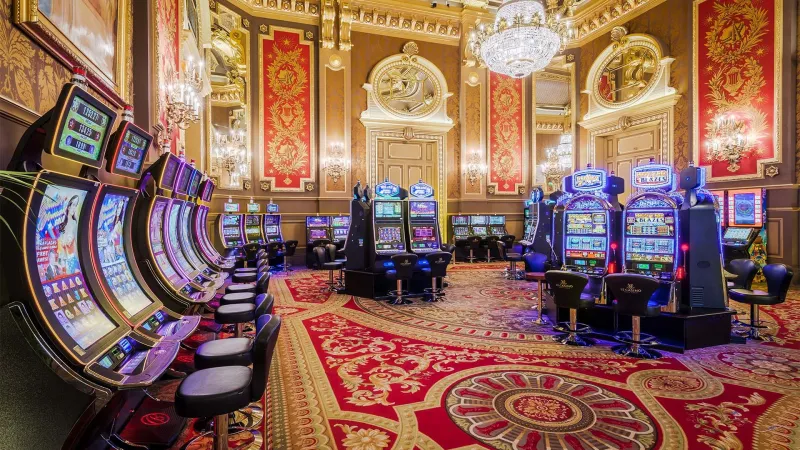
Photo: casino slot attendant handpay paperwork payout, via cdn.squaremile.com
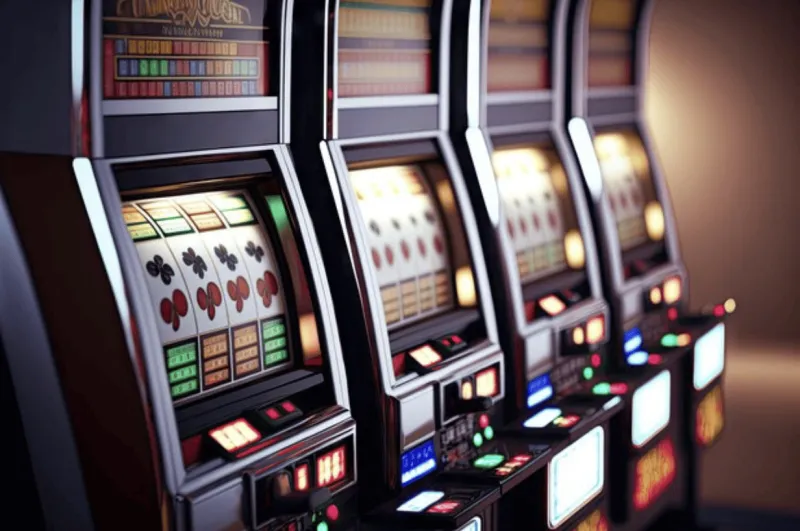
The machine locks. A light on the top box starts blinking, and the screen holds a number you have to read twice. You wanted this. You also wanted to keep playing. That's the strange trade at the heart of the $1,200 handpay line: the win is real, but the session stops being yours for a while.
Most slot players in the U.S. know the number exists. Fewer plan for what it does to the next 20 minutes. The gap between a $1,180 payout and a $1,240 payout is $60 on paper. On the floor, it's the difference between a ticket and a process.
The Line Is Operational, Not Just Fiscal
Federal reporting for slot winnings kicks in at $1,200. The figure has been fixed since 1977, which tells you something about how rarely it gets revisited. Cross it, and the machine typically locks; an attendant verifies the win, and paperwork follows.
That paperwork is usually a W-2G. It is not a bill, and it is not the same thing as a tax rate. Whether anything is withheld depends on the size of the win and the ratio to your wager, among other rules. This article isn't tax advice — for that, talk to a CPA who knows gambling income. The point here is narrower: the threshold is an operational event, and operational events have costs that don't show up in the paytable.
The Clock Starts Before the Cash Arrives
A handpay is not a fast transaction. An attendant has to come to the machine, confirm the amount, check ID, and walk the paperwork. On a busy Saturday night, that can take 10 minutes. On a skeleton crew at 6 a.m., it can take longer. The payout itself may come from the cage rather than the floor.
During that time, your bankroll is frozen in place. You can't feed the machine, you can't move to another bank, and you can't pretend the win is already spendable. If you were mid-session with a plan — say, $200 in, play down to $100, then reassess — the plan is now on hold while a stranger fills out a form.
Online players face a cousin of this delay. A withdrawal review isn't a handpay, but it can park your cash in pending status while a smaller cash-out clears faster. The shape is the same: a number triggers a process, and the process changes your timing.
Paperwork Is a Second Game
The W-2G asks for identifying details and a signature. Some players are surprised by how much of the interaction is administrative rather than celebratory. The attendant is not there to cheer; they're there to document.
That's why it helps to carry ID and to know what you're comfortable sharing before the light starts blinking. If you're playing on a player's card, the casino already has a record. If you're not, the form is the record. Either way, the win becomes part of a paper trail that outlasts the session.
The practical takeaway isn't 'avoid the threshold.' It's 'expect the interruption.' A handpay is a payout plus a pause, and the pause has its own cost in attention and time.
Tipping When the Floor Is Watching
Tip etiquette around handpays is fuzzy, and that's being generous. Attendants don't set the threshold and don't keep the paperwork moving any faster because of a tip. Tipping is optional.
Still, many players hand over $20 on a $1,200 win, and some go higher on larger payouts. There's no universal percentage, and no one should feel obligated to tip from a win that's already going to generate a form. The neutral read: decide your policy before the machine locks, not while an attendant is standing there waiting.
Bankroll Timing: The Win You Can't Spend Yet
The strangest effect of the $1,200 line is that it can make a player feel richer and more constrained at the same time. The win is larger, but it's also less liquid during the payout window.
That matters for session planning. If you budget in 'in-play' money and 'pending' money, a handpay doesn't tempt you to rebuy from the win before it lands. It also keeps you from treating a locked machine as a reason to pull cash from your pocket and keep spinning elsewhere while you wait.
A simple habit: once the light goes on, the session is over until the cash is in hand. Then decide whether the next session is a new session or a continuation. The distinction sounds small. It isn't.
Why a Near-Threshold Win Feels Bigger Than Its Math
Compare two outcomes. At $1,180, you get a ticket and keep playing. At $1,240, you get a form and a wait. The dollar difference is $60. The experiential difference is a cliff.
Behavioral economists would call this a discontinuity in utility: the value of the win jumps or drops for reasons unrelated to the amount. Slot players call it 'just under' or 'just over.' Either way, the feeling is real even when the math is flat.
There's also a weird pride in crossing the line. A $1,240 handpay gets retold as a handpay. A $1,180 ticket gets retold as 'I did all right.' Same night, different story, and the story shapes how you remember the session — and whether you chase the line next time.
That's the trap. Chasing a threshold is still chasing. The line doesn't make the next spin more likely to pay; it only makes the paperwork more likely if it does.
Planning for the Speed Bump
The $1,200 line isn't going anywhere in 2026. Treat it like weather: you don't control it, but you can dress for it. Carry ID. Decide your tip policy in advance. Keep a rough record of handpays for your own bookkeeping. And separate the win from the wait.
For online-focused players, the transferable lesson is to read the cash-out rules before the session, not after. Different platforms have different review queues, limits, and timing. The number that triggers a review is a planning detail, not a surprise.
The win still counts. It just counts differently once the floor manager starts walking over.