The Follow-Up Fee: How Slot Sequels Reprice the Same Spin
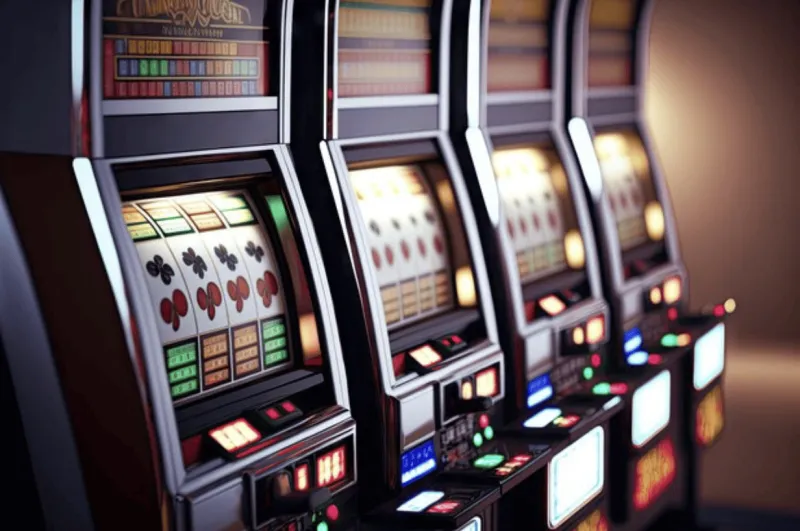
Photo: slot machine sequel comparison paytable casino screen, via 85ideas.com
Slot sequels have a predictable sales pitch: brighter colors, a bigger logo, and a max-win number with more zeros than the original. That can be good entertainment. It is not, by itself, a math upgrade. We compared a dozen original-and-follow-up pairs across public paytables, demo builds, and rule screens, and the same pattern kept showing up: the “2” on the end is a new product, not a patch note.
What We Actually Compared
For each pair, we looked at four things that affect a U.S. slot bankroll more than the trailer does:
- Return to player (RTP): the published long-run payback percentage, not the headline max win.
- Volatility: how often the game pays versus how much it tends to pay when it does.
- Bet-level structure: minimum spin, line or ways pricing, and whether the follow-up quietly raised the cheapest usable bet.
- Bonus frequency and bonus shape: how often the feature triggers, and whether the sequel moved value from base-game hits into rarer, flashier bonus rounds.
Max-win claims got their own column, mostly because they are the easiest thing to market and the least useful thing to compare without context. A 50,000x ceiling on a game you play at 10 cents is not the same bankroll event as a 10,000x ceiling on a game you play at a dollar.
The Three Sequel Patterns
Across the dozen pairs, the follow-ups generally fell into three buckets.
| Sequel pattern | What changed | What it means for players |
|---|---|---|
| Fresh coat, same math | Similar RTP, volatility, and bonus cadence; new art and sound | Mostly a preference issue. Pick the theme you like, but do not expect a different financial ride. |
| Louder but tighter | Bigger max-win claim, slightly lower RTP or rarer bonus, higher minimum bet | The fantasy got bigger while the everyday spin got leaner. Read the paytable before assuming “2” means more. |
| Genuine tune-up | Higher RTP, clearer bet ladder, or more frequent but smaller features | A real improvement for some bankrolls, especially low-roller sessions. Not automatically better for everyone. |
The uncomfortable finding is that “Megaways” remakes and numbered sequels land in all three buckets. The mechanic can add ways to win and still come with a different volatility profile. More ways is not the same as more expected return.
The Max-Win Mirage
Sequels love a ceiling story. The original might advertise 5,000x; the follow-up might advertise 25,000x or more. That number describes the top of the payout curve, not the middle. If the sequel also made the bonus less frequent or shifted payout weight toward the rarest outcomes, the bigger ceiling can coexist with a rougher ordinary session.
This is where U.S. players should slow down. A max win is a marketing headline until you know the trigger rate, the bet size required, and the RTP. If a sequel doubles the ceiling but cuts the feature frequency, you may be paying more per chance at a much rarer dream.
The Bet-Ladder Trap
One of the quietest sequel changes is the minimum bet. A follow-up can keep the same coin size but change line pricing, ways pricing, or the minimum active bet. Suddenly the “same” 20-cent session is a 40-cent session. That does not show up in the trailer. It shows up in your balance.
Before you commit to a sequel, check the cheapest spin that actually activates the full game. Then compare it with the original. If the follow-up requires a higher bet to unlock the same feature set, the real price of the sequel went up even if the advertised coin value did not.
Bonus Frequency Beats Bonus Hype
A sequel can have a spectacular bonus round and still be a worse fit for your bankroll if the feature almost never lands. We looked for the rule-screen language around scatter requirements, ante bets, and bonus-buy options. In several pairs, the follow-up added a bonus-buy button that made the feature feel more accessible while the natural trigger rate stayed modest.
That is not a scam. It is a design choice. But it changes how you should budget. If you are playing for the base game, judge the base game. If you are playing for the feature, price the feature separately and decide whether the variance fits the session you can afford.
How to Audit a Sequel in Five Minutes
- Open the paytable, not the promo banner. Find the published RTP and compare it with the original.
- Check the volatility description. “High volatility” on a sequel may be a different ride than high volatility on the original.
- Find the minimum full-feature bet. Compare the real cost of a session, not the coin size.
- Look up the bonus trigger. Natural scatters, ante bet, or buy feature — each has a different cost profile.
- Run the demo side by side. You are not proving anything from 100 spins, but you will feel the pace, bet ladder, and feature rhythm.
The Bottom Line
A slot sequel is not a software update. It is a separate game with its own math, its own price structure, and its own version of fun. Some follow-ups are genuine upgrades. Some are familiar names wearing a bigger hat. The “2” is a clue, not a conclusion. Treat the paytable like the receipt, and you will know whether you are paying for a better game or just a louder one.